How does the free conversation work?
It's a 30-minute video call with us, free and with no obligation: you tell us what is blocked and what already works. Then you get a one-page Action Map with up to three priorities and the first stage we propose, and an execution proposal with what we would do if you choose Appfy. If it is not a fit, we say so. To book, use “Book a free conversation”: you answer a few questions and, at the end, pick a time or suggest days for a person to confirm.
How much does it cost?
We don't publish prices. The conversation is free. The investment comes in the proposal, together with scope and timing, after the Action Map, because it depends on the process involved, what already exists, the systems that need to talk to each other and how the result will be checked. A smaller first scope is also possible. If you need a figure before talking, a person can help on WhatsApp.
Is it really free? What's the catch?
Yes, it's free. The 30-minute conversation has no cost and no obligation, and the Action Map stays with you. Payment only comes with a scoped proposal you accept. If a paid diagnostic is ever needed, we first explain what it includes, what it costs and its limits. The free conversation never turns into a charge without your agreement.
Do you guarantee results?
We don't promise results. What is agreed in writing in the proposal, including the acceptance criterion, is what we deliver. The acceptance criterion is the agreed check that shows the work is done.
We already tried and it didn't work.
That helps. Before choosing any solution, we look at how the work happens today and what was tried. If what you have already solves it, we say so plainly; the Action Map may even recommend no technical work. In the conversation, it helps to tell us what you tried and where it stopped.
How much of my time does it take?
The first step is a 30-minute conversation. If a project follows, the proposal sets the effort, the schedule and the time it needs from your team: usually access, decisions, information and sign-off from a named person. No project happens without some effort on your side, and we don't estimate hours or weeks before the scope is set.
What if we need changes along the way?
Changes follow the scope and acceptance terms agreed in the proposal: each one gets a written impact assessment and is done only after your approval. We don't promise dates for a change before that assessment.
Is my company too small? Who needs to be in the conversation?
Company size is not a filter. Who decides and how the purchase works are things we cover in the conversation itself, and anyone involved in the decision can join.
Will you replace my team or our tools?
No. We work with your existing team and with what already works. The work starts from your problem, and the scope is your decision.
Can't we do it internally?
Doing it internally is a legitimate choice, and the Action Map may recommend exactly that. The conversation is useful either way: after it, you get up to three priorities and the first stage we propose.
What data do you need? Will we depend on you?
At first, only a description of how the work happens today, or an example without personal data. Don't send passwords, customer data or full exports from your systems. In a project, handover, support and who keeps access and data are agreed in the proposal.
Do you have proof or cases? Any marketing cases?
Yes. This page tells seven projects Appfy delivered, without the companies' names: the problem, what Appfy did and the gain. Each case shows an estimate of what the problem cost, with the calculation in view. The cases published so far are product engineering work.
What do you do? Do you also do accounting or legal work?
Two services: product engineering (building, integrating or unblocking software, for example to automate a manual step) and marketing execution (offer, page, creative, campaigns and follow-up). We don't offer accounting or legal services at the moment.
Do you do marketing?
Yes. Marketing is one of our two services, and we run it: the offer, a page, ads and short videos that share one identity, campaigns that are launched, tracked and adjusted, and the follow-up from inquiry to a sales conversation.
Who does the work: people or AI?
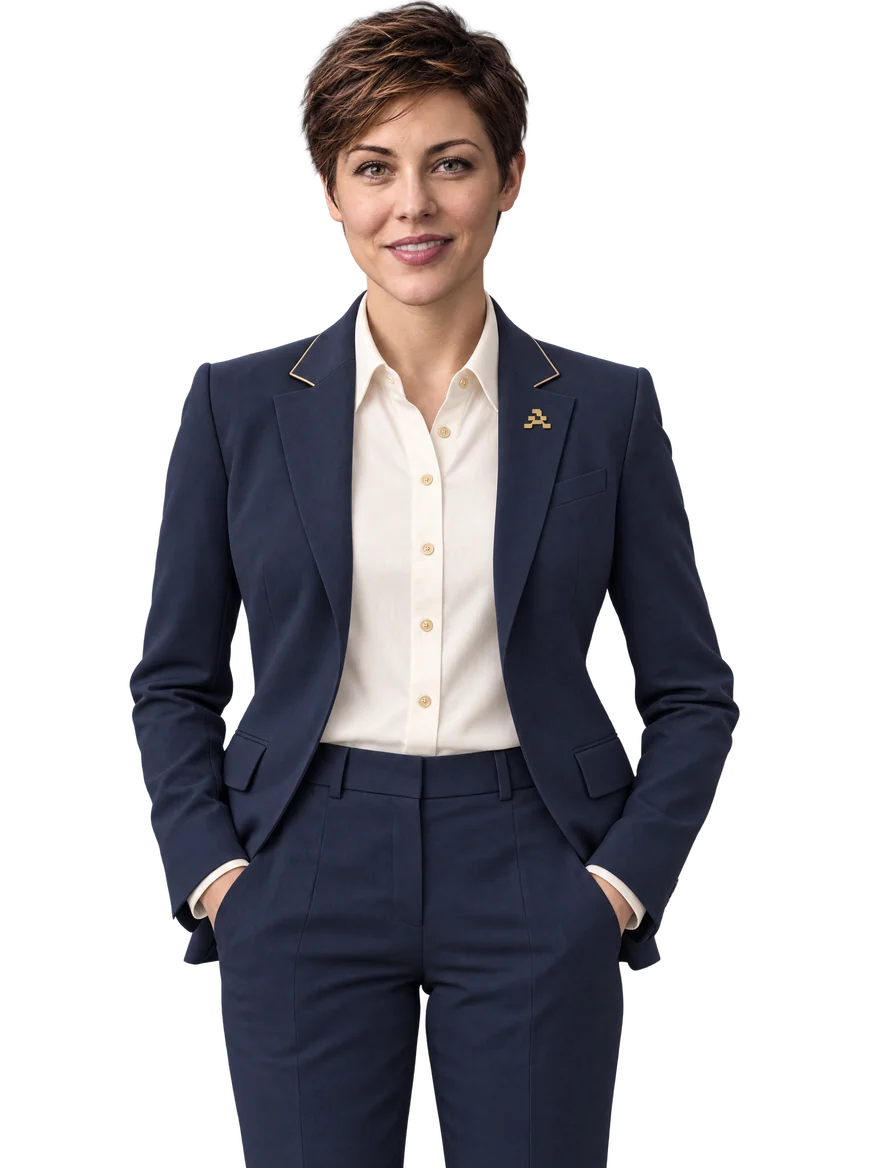
Both. Alexsandro Freitas is Appfy's founder and answers for every project. Sam, Gilfoyle, Zoe, Reed and Drew are AI employees, artificial intelligences working under his direction, and the final decision is human. The “Ask a question” chat on this page is Zoe, an AI employee: her answers come from an AI and may contain mistakes.